Understanding the Limitations of Traditional Lead Conversion
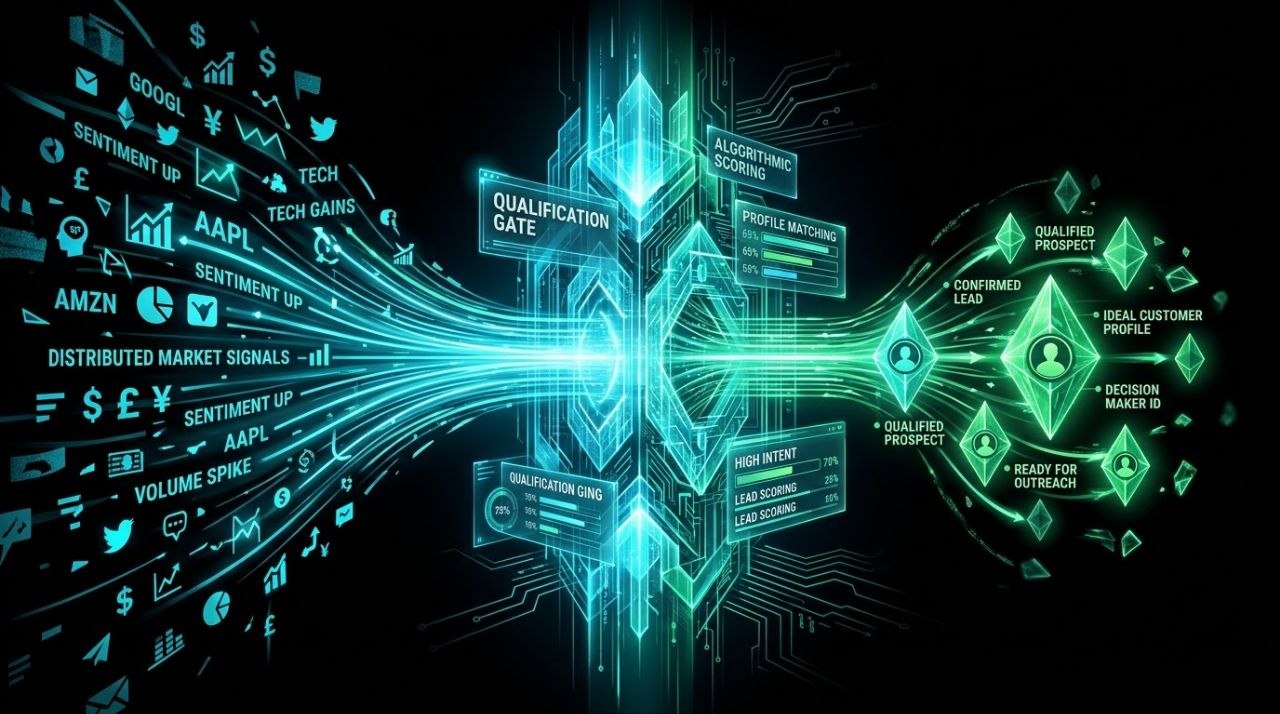
Leads and prospects are not synonymous. A lead is anyone who provides basic contact information, while a prospect has demonstrated interest, needs, and readiness to buy. Many companies fail to convert because they do not strategically differentiate between the two. Mass, impersonal approaches—such as blanket emails or cold calling without personalization—lead to high churn rates and low returns on investment (ROI). To overcome these challenges, a more sophisticated, data-driven, and systematic framework is required to identify prospects truly prepared to make a purchase.
Building the Foundation: Integrating CRM and Marketing Automation
Integrating Customer Relationship Management (CRM) with marketing automation creates a single source of truth regarding all customer interactions. Automated workflows enable real-time scoring and nurturing, enhancing the efficiency of identifying high-quality prospects. For example, a lead who downloads a whitepaper and then clicks a call-to-action (CTA) twice in succession will receive the highest score and automatically enter a premium nurturing sequence. This ensures that both sales and marketing teams focus on highly engaged leads.
Personalization as the Engine of Conversion: Delivering Relevant Content at Every Stage
Personalized nurturing sequences based on behavioral triggers—such as abandoned carts or trial expirations—are far more effective than standard broadcast emails. Personalization increases engagement and trust, making potential customers feel understood and guided toward a purchasing decision. Implementation begins with careful audience segmentation based on demographics, firmographics, and behavioral interactions. Following this, relevant content is delivered to the right people according to their stage in the buyer's journey.
Leveraging Predictive Analytics for High-Impact Prospecting
Predictive analytics models analyze historical and real-time data to identify patterns characteristic of high-quality prospects. This technique enables marketing teams to proactively reach out to prospects with the highest conversion probability, rather than simply targeting those easiest to contact. For instance, using machine learning algorithms, prospects can be classified into three categories: hot leads, warm leads, and cold leads. Consequently, resource allocation becomes more effective and efficient.
Comprehensive Segmentation and Scoring: Beyond Simple Metrics
Complex scoring models, such as behavior-based scoring, provide a more accurate view of a customer's readiness to buy. This method precisely differentiates high-quality prospects from low-quality ones, preventing resource allocation to unprepared leads. Best practices recommend combining demographic scores with interaction behavior scores to obtain a holistic picture. This ensures that all marketing and sales activities target the correct audience.
Practical Application: Steps for Implementing the Framework
To practically implement this framework, the first step is to audit existing CRM and marketing automation integrations to identify bottlenecks or obstacles. The second step involves designing customer personas and journey maps as the foundation for personalization and nurturing sequences. The third step is implementing predictive modeling using analytics tools, followed by ongoing result testing. The fourth step is deploying behavior-based scoring and nurturing automation based on scoring outcomes. Finally, regular monitoring of conversion metrics should be conducted, with strategy refinement based on feedback and data.
Strategic Implications and Conclusion: The Future of Lead Conversion
This framework is not a one-time solution but a culture of continuous improvement requiring commitment to experimentation and data. Organizations that successfully adopt this approach will gain significant competitive advantages in customer acquisition and retention. The key to success lies in aligning marketing and sales teams and investing in technology and talent capable of managing data-driven marketing. Therefore, the future of lead conversion depends on the ability to adapt and innovate in maximizing data utilization.
Memahami Limitasi Pendekatan Tradisional dalam Lead Conversion
Lead tidak sama dengan prospek. Lead adalah siapa pun yang memberikan kontak dasar, sedangkan prospek adalah mereka yang memiliki minat, kebutuhan, dan kesiapan untuk membeli. Banyak bisnis gagal mengonversi karena tidak membedakan keduanya secara strategis. Pendekatan massal dan impersonal—seperti blast email atau cold calling tanpa personalisasi—menyebabkan churn tinggi dan return on investment (ROI) rendah. Untuk mengatasi masalah ini, dibutuhkan framework yang lebih sophisticated, berbasis data, dan sistematis untuk mengidentifikasi prospek yang benar-benar siap membeli.
Membangun Foundation: Integrasi CRM dan Marketing Automation
Integrasi Customer Relationship Management (CRM) dengan marketing automation menciptakan single source of truth tentang seluruh interaksi calon pelanggan. Otomatisasi workflow memungkinkan scoring dan nurturing yang real-time, meningkatkan efisiensi identifikasi prospek berkualitas. Sebagai ilustrasi, lead yang melakukan download whitepaper lalu mengklik Call-To-Action (CTA) dua kali berturut-turut secara berurutan akan mendapat skor tertinggi dan secara otomatis masuk ke dalam nurturing sequence premium. Hal ini memastikan bahwa tim sales dan pemasaran fokus pada calon pelanggan yang benar-benar engaged.
Personalisasi Sebagai Engine Konversi: Membuat Konten yang Relevan di Setiap Journey
Nurturing sequence yang dipersonalisasi berdasarkan behavioral trigger, seperti abandoned cart atau trial expired, jauh lebih efektif daripada email broadcast standar. Personalisasi meningkatkan engagement dan trust, membuat calon pelanggan merasa dipahami dan dibimbing menuju keputusan pembelian. Implementasinya dimulai dengan segmentasi audience yang cermat berdasarkan demografi, firmographic, dan behavioral interaction. Setelah itu, konten yang tepat dikirimkan kepada orang yang tepat, sesuai dengan tahap journey mereka.
Menggunakan Predictive Analytics untuk Targeting Prospek Potensial
Model predictive analytics menganalisis data historis dan real-time untuk mengidentifikasi pattern yang dimiliki prospek berkualitas tinggi. Teknik ini memungkinkan tim pemasaran untuk proaktif menjangkau prospek yang memiliki kemungkinan konversi tertinggi, bukan hanya yang paling mudah dihubungi. Contohnya, dengan menggunakan algoritma machine learning, prospek dapat diklasifikasikan menjadi tiga kategori: hot leads, warm leads, dan cold leads. Dengan demikian, alokasi sumber daya menjadi lebih efektif dan efisien.
Segmentasi dan Scoring Komprehensif: Lebih dari Sekadar Angka
Scoring model yang kompleks, seperti behavioral-based scoring, memberikan visibilitas yang lebih akurat tentang readiness to buy calon pelanggan. Metode ini membedakan prospek berkualitas tinggi dari yang rendah dengan lebih presisi, menghindari alokasi resources pada leads yang tidak siap. Best practice menyarankan penggabungan scoring skor demografi dengan skor perilaku interaksi untuk mendapatkan picture yang holistik. Hal ini memastikan bahwa setiap aktivitas pemasaran dan sales dilakukan dengan target yang tepat.
Practical Application: Langkah-langkah Implementasi Framework
Untuk mengimplementasikan framework ini secara praktis, langkah pertama adalah audit integrasi CRM dan marketing automation yang sudah ada, guna mengidentifikasi bottleneck atau hambatan. Langkah kedua adalah mendesain persona dan journey map pelanggan sebagai dasar personalisasi dan nurturing sequence. Langkah ketiga adalah implementasi predictive modeling dengan tools analytics, diikuti oleh pengujian hasil secara ongoing. Langkah keempat adalah menerapkan behavioral-based scoring dan automasi nurturing berdasarkan hasil scoring. Terakhir, monitoring conversion metrics harus dilakukan secara rutin, dengan refinasi strategi berdasarkan feedback dan data.
Implikasi Strategis dan Penutup: Masa Depan Lead Conversion
Framework ini bukan solusi sekali jalan, tetapi budaya continuous improvement yang membutuhkan commitment terhadap data dan experimentasi. Organisasi yang berhasil mengadopsi pendekatan ini akan mendapatkan competitive advantage yang signifikan dalam acquiring and retaining customers. Kunci suksesnya terletak pada alignment antara tim pemasaran dan sales, serta investasi pada teknologi dan talent yang capable mengelola data-driven marketing. Dengan demikian, masa depan lead conversion bergantung pada kemampuan adaptasi dan inovasi dalam memanfaatkan data secara maksimal.