
Understanding Meta One: Not a Shortcut, but Operational Efficiency Toolkit for Business Channels
Explaining subheading that sparks strategic thinking among readers

Authority publication, primary data insights, and sovereign information architecture.
Explaining subheading that sparks strategic thinking among readers

Many business owners still mistakenly believe that blue checkmarks and WhatsApp Business API are one and the same. This article breaks down the fundamental differences between the two so businesses can make smarter technology decisions.

A study reveals that small brand innovation has declined by 7-36% since 2019, not due to lack of creativity, but because of a gap between brand promise and real execution ability. This article challenges the assumption that brand differentiation always requires radical innovation.

Converting leads into customers is not a single transaction but a collaborative journey requiring granular nurturing and automated personalization to turn Marketing-Qualified Leads (MQLs) into Sales-Qualified Leads (SQLs), optimizing conversion rates across channels.

A deep analysis of how clickbait undermines the information ecosystem and how digital design nudges can serve as a more responsible alternative.

This article provides a clear, grounded explanation of BSUID as a distinct identity solution from usernames, along with essential technical and operational boundaries that engineering and integration teams must adhere to.

Many companies adopt AI for content marketing, but without a unified governance framework, these implementations often fail to deliver sustainable business impact. This article outlines a concrete framework to mandate cross-functional collaboration and governance policies, ensuring that AI becomes a strategic enabler rather than just a fleeting gimmick.

Beyond freebies, Lead Magnets strategically select audiences worthy of becoming leads through social filtering and algorithmic personalization.

This article explains how AI integration in CRM is not just automation but a strategic repossession that requires organizational transformation and cross-functional collaboration to optimize key business metrics like ROI and LTV.

This article explains why business ontologies are not just technical buzzwords, but strategic foundations that fundamentally change how AI understands and delivers value to organizations.

This article dissects how AI integration in CRM is not just a differentiating feature but a strategic foundation for creating authentic, adaptive, and sustainable customer experiences.

Analyzing whether investment in a blog is proportional to the effort expended by micro-enterprises, focusing on organic traffic, customer trust, and acquisition efficiency.

Unraveling whether blogs genuinely sank beneath the waves of AI advancement, or instead underwent a fundamental transformation to survive.

This authoritative article presents a detection framework for marketing espionage grounded in experimental research findings, not speculative assumptions or baseless alarmism.

Unraveling how digital transformation reshapes market architecture, demanding strategic adaptation from businesses, regulators, and consumers.

This article explains how to calibrate commitment thresholds to ensure portfolios genuinely reflect high-quality ('hot') prospects ready to commit, not just statistical noise.

This article explains why enterprise-level marketing insights must move beyond 'content for content' approaches and adopt predictive models with measurable KPIs to deliver actionable intelligence.

In the complex information age, business owners need more than raw data—they require the ability to design measurable, collaborative, and visual market intelligence systems that transform insights into sustainable competitive advantage.

Many businesses still rely on traditional, inefficient approaches. This article explains how CRM integration, personalization, and predictive analytics create a more sophisticated framework for identifying high-quality prospects ready to purchase.
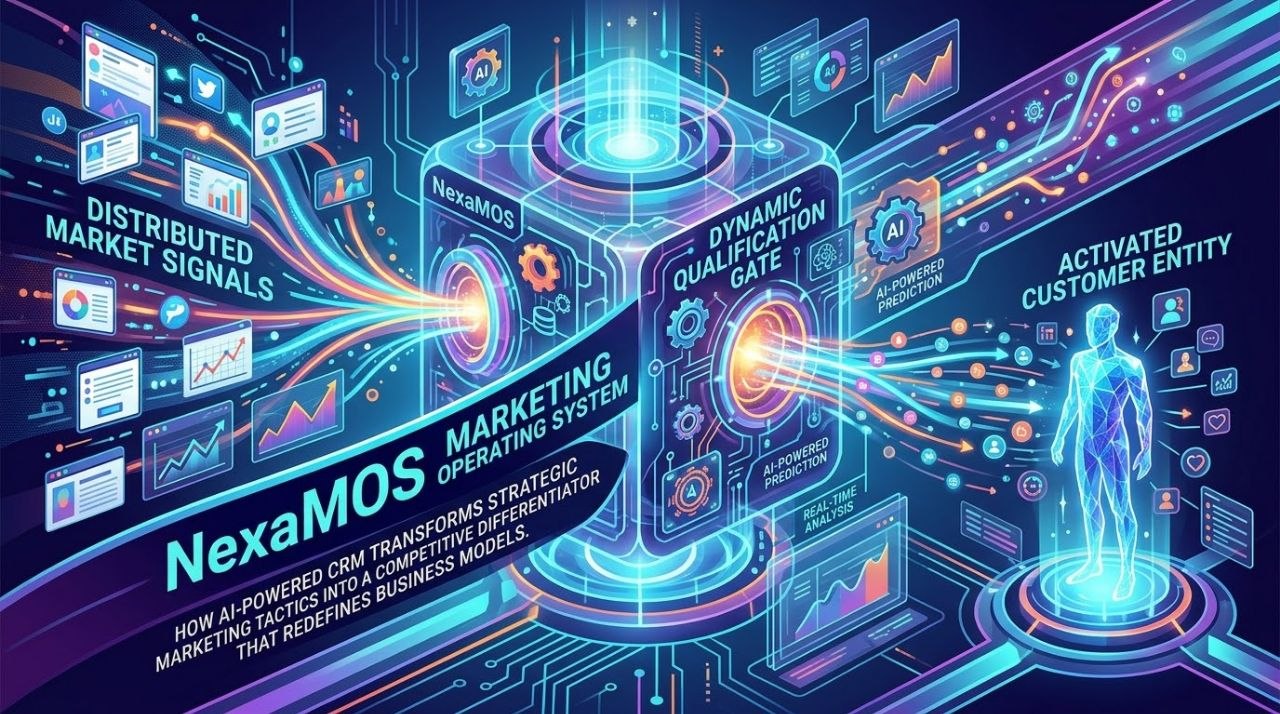
How AI-powered CRM is reshaping marketing operations—from simple automation to a competitive differentiator that redefines business models.
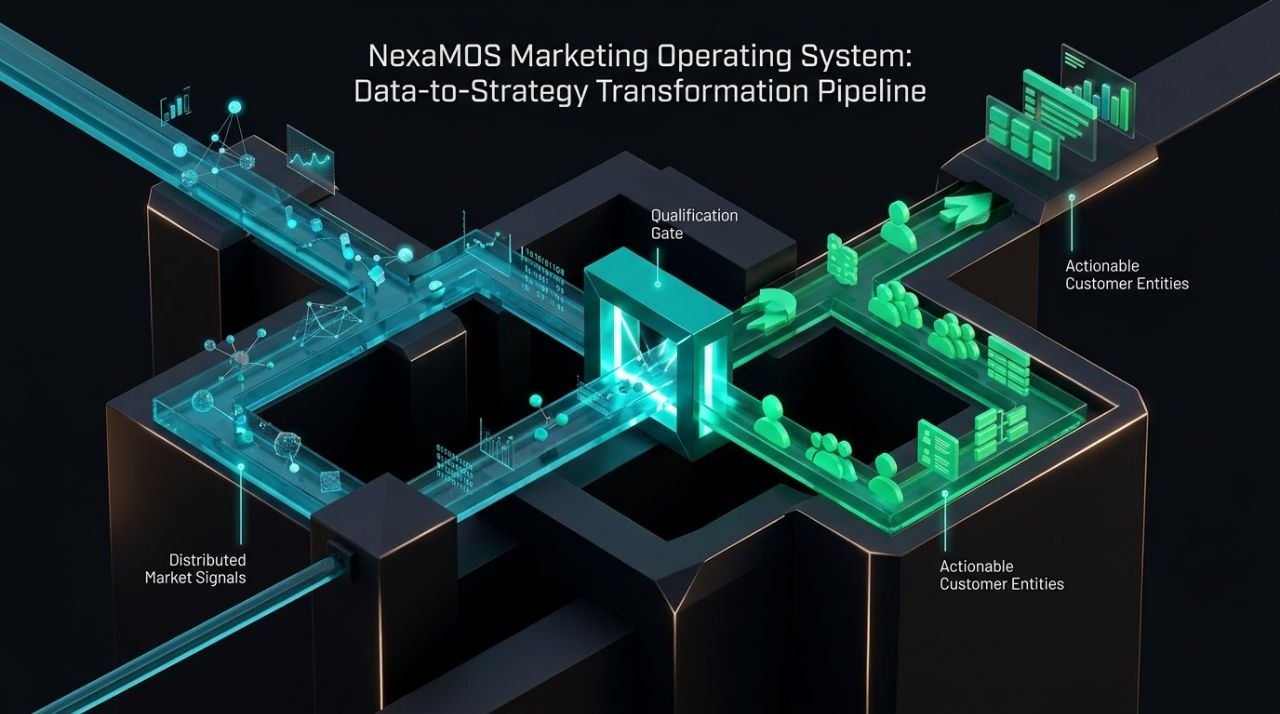
This article explores how AI is transforming how companies acquire, analyze, and utilize data to create sustainable competitive edges.

Decoding BSUID as a digital identity evolution that compels businesses to redefine data management strategy, API integration, and regulatory compliance.
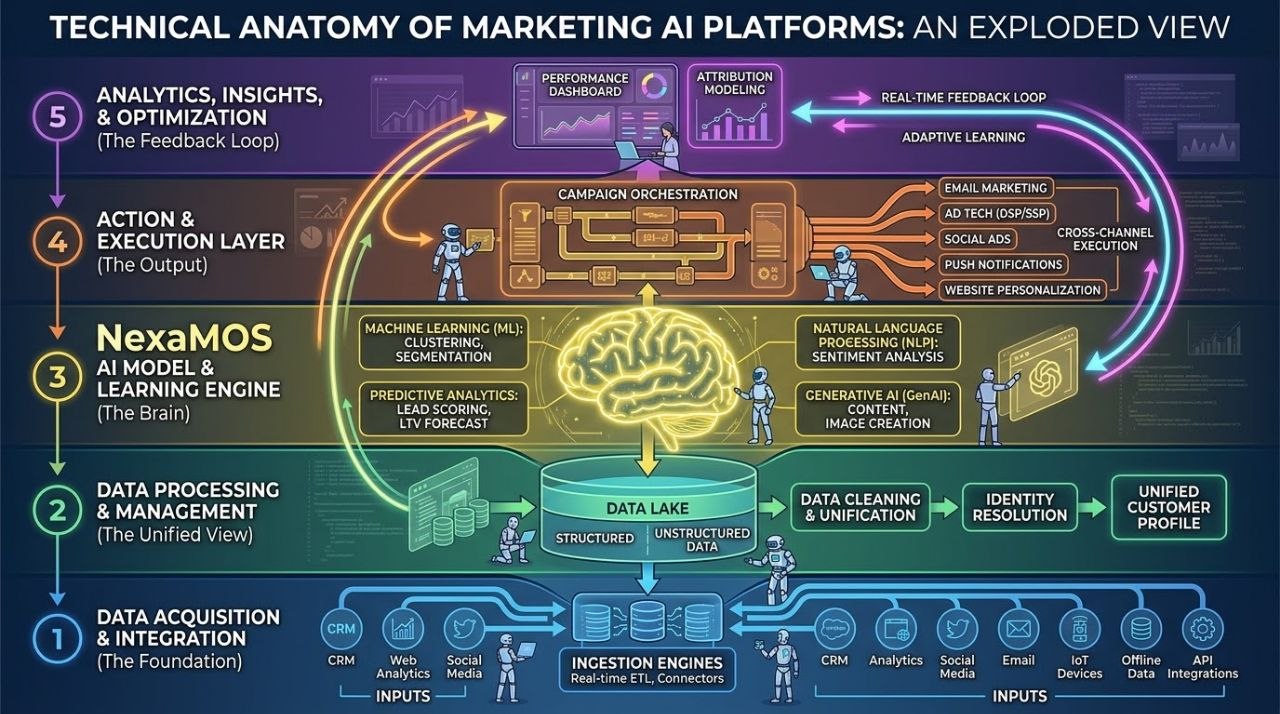
Marketers must understand the fundamental limitations of LLM architecture to optimize AI benefits while mitigating data bias and content errors.

Verified leads are strategic assets requiring systematic, data-driven nurturing to convert into loyal customers.

Challenging the myth that generative search will kill blogs; instead, this technology forces content producers to shift from commodity mass production toward information design tailored for both machines and users.